
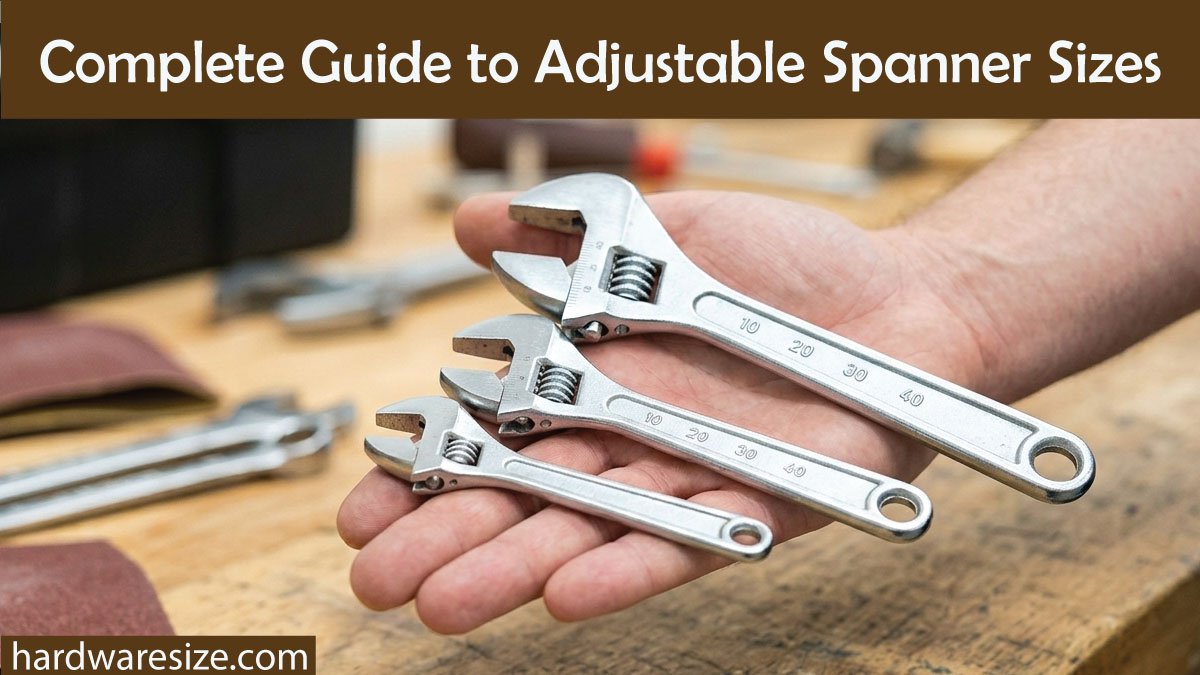
When working with nuts, bolts, and fasteners, having the right tool is essential. One of the most versatile tools in any toolbox is the adjustable spanner. Whether you are a professional mechanic, engineer, or DIY enthusiast, understanding adjustable spanner sizes can help you work more efficiently and avoid damaging fasteners.
In this complete guide, you will learn everything about adjustable spanner sizes, including size charts, types, uses, and tips for choosing the right one.
What Is an Adjustable Spanner?
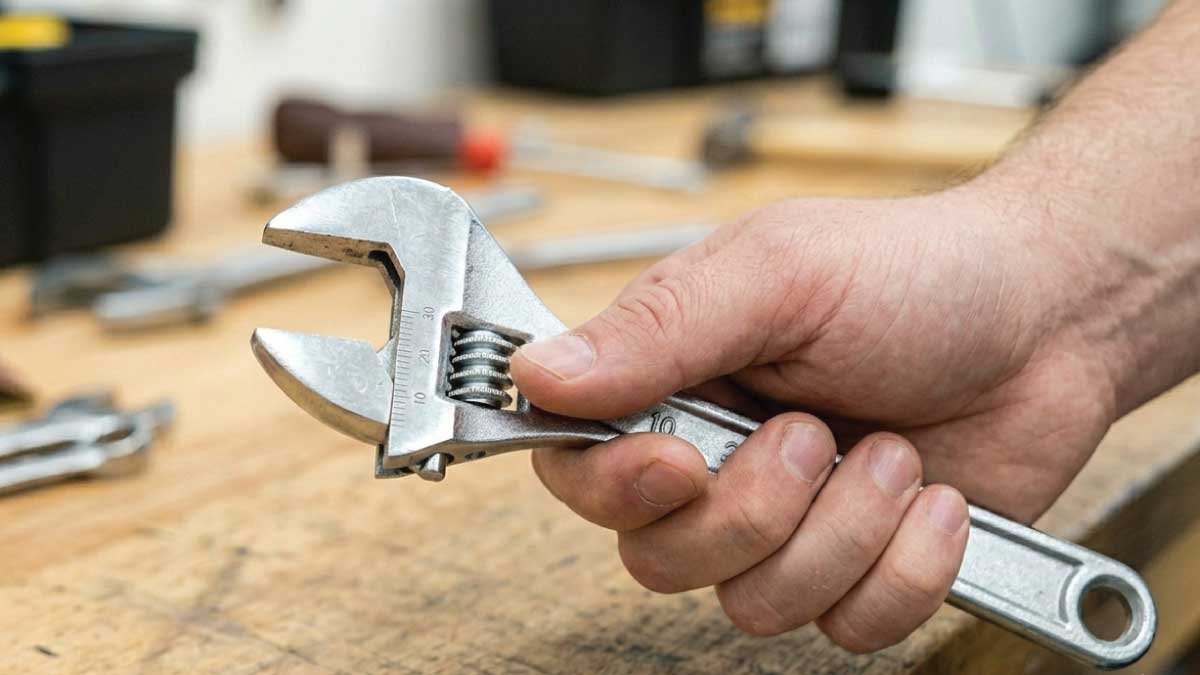
An adjustable spanner, also known as an adjustable wrench, is a hand tool used to tighten or loosen nuts and bolts of different sizes. Unlike fixed spanners, it features a movable jaw that allows it to adjust to various fastener sizes.
Key Features:
- Adjustable jaw opening
- Suitable for multiple bolt sizes
- Easy to carry and store
- Common in mechanical, plumbing, and home repair work
Why Adjustable Spanner Size Matters
Choosing the correct adjustable spanner size is essential for accurate and efficient work. A properly sized tool provides a firm grip on fasteners, improves control, and reduces errors. It also helps prevent damage and ensures smoother operation in mechanical, plumbing, and DIY tasks.
1. Prevents Damage
Using the wrong spanner size can damage both the tool and the fastener. A loose fit may slip and round off bolt edges, making removal difficult. Proper sizing ensures a tight grip, protecting components and extending the life of your adjustable spanner.
2. Improves Efficiency
The correct spanner size makes work faster and easier. A well-fitted jaw reduces the need for constant adjustments and allows better force application. This improves workflow, saves time, and helps complete tasks smoothly, especially during repetitive mechanical or repair work.
3. Ensures Safety
Safety improves when using the right spanner size. A proper fit reduces slipping and gives better control during use. This lowers the risk of hand injuries and accidents, making your work safer and more stable in both professional and home environments.
Standard Adjustable Spanner Sizes
Adjustable spanners are typically categorized based on their overall length and maximum jaw opening capacity. The length determines the leverage and torque you can apply, while the jaw capacity defines the maximum size of nuts or bolts the tool can grip effectively in different applications.
Adjustable Spanner Size Chart
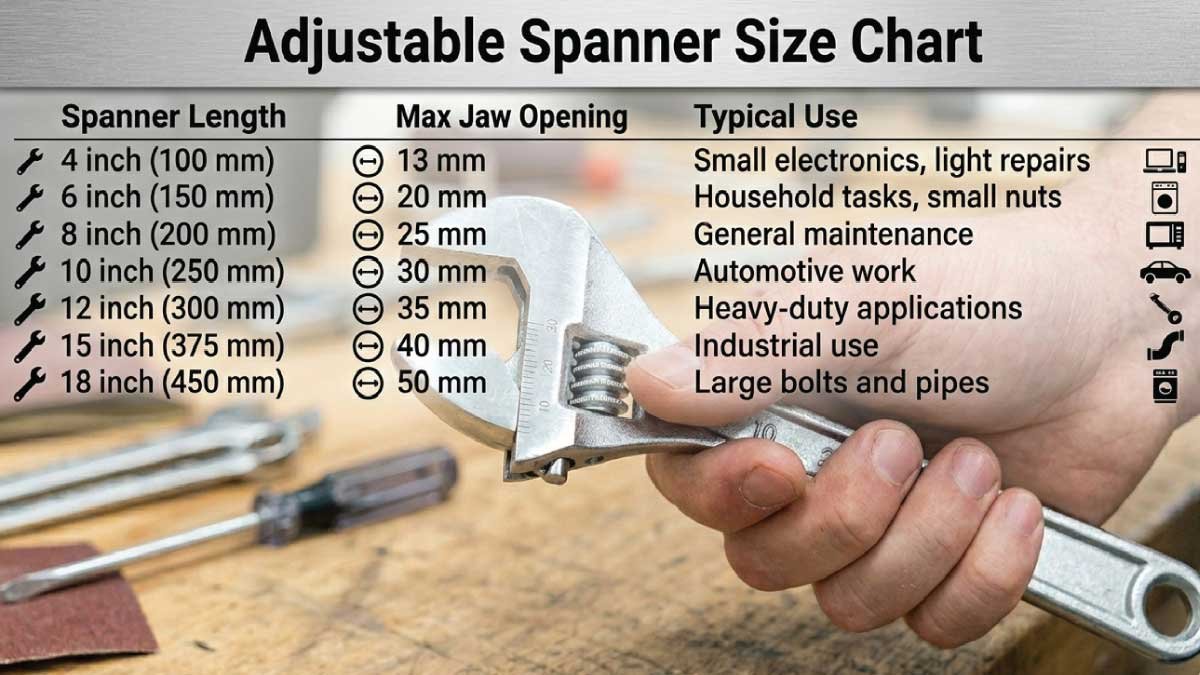
| Spanner Length | Max Jaw Opening | Typical Use |
|---|---|---|
| 4 inch (100 mm) | 13 mm | Small electronics, light repairs |
| 6 inch (150 mm) | 20 mm | Household tasks, small nuts |
| 8 inch (200 mm) | 25 mm | General maintenance |
| 10 inch (250 mm) | 30 mm | Automotive work |
| 12 inch (300 mm) | 35 mm | Heavy-duty applications |
| 15 inch (375 mm) | 40 mm | Industrial use |
| 18 inch (450 mm) | 50 mm | Large bolts and pipes |
👉 Discover the Complete Guide to Stud Bolt Sizes and Applications! Whether you’re a professional engineer, mechanic, or DIY enthusiast, this post covers everything—from standard sizes and torque recommendations to practical uses. Read on to master stud bolts and choose the right size for every project.
Understand Adjustable Spanner Measurements
To select the right adjustable spanner, it is important to understand how its size is measured. These measurements help ensure proper fit and performance. Key factors include the tool’s length, jaw opening capacity, and whether sizes are marked in metric or imperial units.
1. Length of the Spanner
The length of the adjustable spanner is measured from the end of the handle to the tip of the jaw. Longer spanners provide greater leverage, making it easier to loosen tight fasteners, while shorter ones are ideal for precision work in confined spaces.
2. Jaw Capacity
Jaw capacity refers to the maximum opening width of the spanner’s jaws. This determines the largest nut or bolt the tool can grip. Choosing the correct jaw capacity ensures a secure fit, reduces slipping, and improves overall efficiency during mechanical or repair tasks.
3. Metric vs Imperial
Adjustable spanners may include metric or imperial measurement scales. Metric sizes are measured in millimeters, while imperial sizes use inches. Many modern spanners feature both markings, making them versatile and suitable for working with different fastener standards across various applications.
👉 Learn Vernier Caliper Sizes Explained: Complete User Guide! This post breaks down everything you need to know about caliper measurements, jaw types, and accuracy tips. Perfect for engineers, technicians, and DIY enthusiasts—read on to master using vernier calipers for precise measurements every time.
Types of Adjustable Spanners
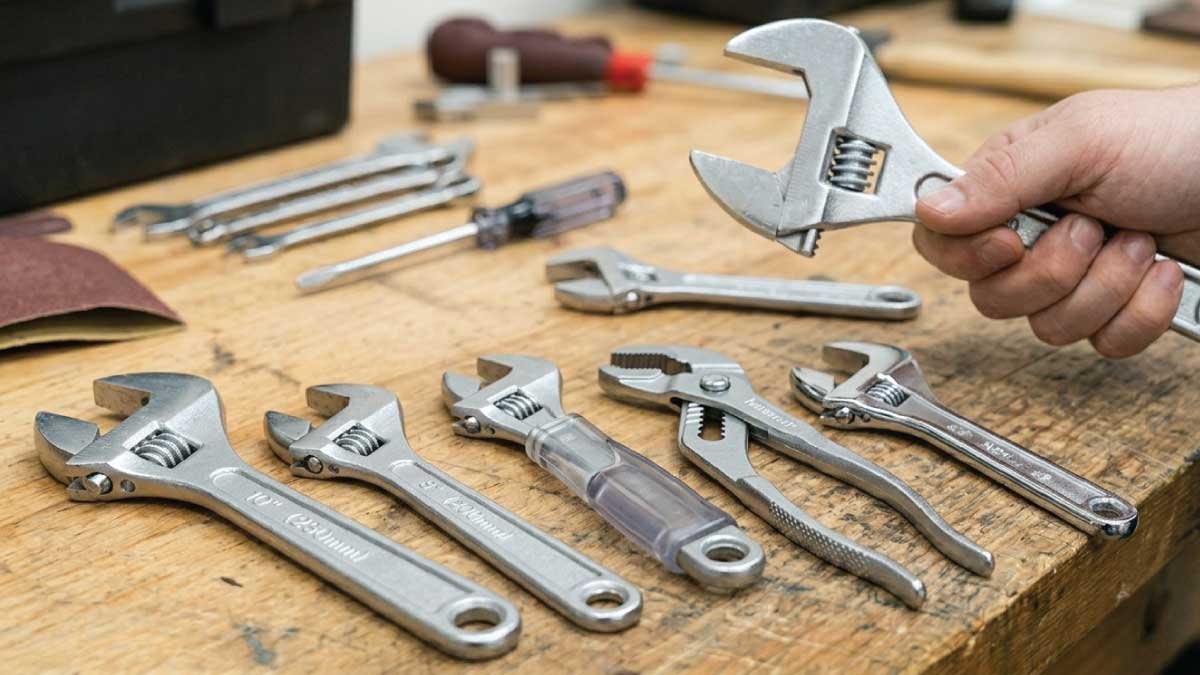
Different types of adjustable spanners are designed to handle specific tasks and working conditions. Each type offers unique features based on jaw capacity, size, and strength. Choosing the right type helps improve efficiency, accuracy, and ease of use in various mechanical and repair applications.
1. Standard Adjustable Spanner
The standard adjustable spanner is the most commonly used type in homes and workshops. It features a moderate jaw capacity and is suitable for general-purpose tasks. This type is ideal for everyday repairs, maintenance work, and handling a variety of nut and bolt sizes.
2. Wide Jaw Adjustable Spanner
A wide jaw adjustable spanner has an increased jaw opening compared to standard types. It is specially designed for larger fasteners, pipes, and fittings. This makes it highly suitable for plumbing tasks, pipe installations, and jobs that require gripping wider surfaces efficiently.
3. Mini Adjustable Spanner
The mini adjustable spanner is compact, lightweight, and easy to carry. It is perfect for working in tight or hard-to-reach spaces where larger tools cannot fit. Despite its small size, it is useful for light-duty tasks, precision work, and quick repairs.
4. Heavy-Duty Adjustable Spanner
Heavy-duty adjustable spanners are built with stronger materials and reinforced конструкции for handling high torque applications. They are commonly used in industrial environments, construction work, and heavy machinery maintenance. These spanners provide durability, strength, and reliable performance under demanding conditions.
How to Choose the Right Adjustable Spanner Size
Selecting the correct adjustable spanner size depends on your specific work requirements. Factors like fastener size, application type, handle length, and material quality all play an important role. Choosing wisely ensures better performance, safety, and long-term durability during mechanical or repair tasks.
1. Consider the Fastener Size
Always match the adjustable spanner’s jaw opening with the size of the nut or bolt you are working with. A proper fit ensures a firm grip and prevents slipping. Using the correct size also protects fastener edges from rounding and improves overall working efficiency.
2. Think About the Application
Your choice of spanner size should depend on the type of work. Smaller spanners (4″–6″) are ideal for light tasks, medium sizes (8″–10″) suit general use, while larger spanners (12″+) are best for heavy-duty applications requiring higher torque and strength.
3. Check Handle Length
Handle length directly affects the amount of torque you can apply. Longer handles provide greater leverage, making it easier to loosen tight fasteners. However, they may be difficult to use in confined spaces, where shorter spanners offer better control and accessibility.
4. Look for Quality Material
The material of the adjustable spanner determines its strength and durability. High-quality options like chrome vanadium steel and hardened alloy steel offer better resistance to wear, corrosion, and heavy loads. Choosing durable materials ensures reliable performance and a longer tool lifespan.
Adjustable Spanner vs Fixed Spanner
Understanding the difference helps you choose the right tool.
| Feature | Adjustable Spanner | Fixed Spanner |
|---|---|---|
| Flexibility | High | Low |
| Accuracy | Moderate | High |
| Speed | Slower | Faster |
| Best Use | Multi-size tasks | Specific size tasks |
Common Uses of Adjustable Spanners
Adjustable spanners are versatile tools used across many industries and everyday tasks. Their adjustable jaw design allows them to handle different fastener sizes, making them suitable for automotive, plumbing, household, and industrial applications where flexibility and convenience are required.
1. Automotive Repair
In automotive repair, adjustable spanners are commonly used for tightening and loosening bolts and nuts. They are helpful in engine maintenance, battery work, and general servicing. Their flexibility makes them useful when working with different fastener sizes in vehicles.
2. Plumbing Work
Adjustable spanners are essential tools in plumbing tasks such as tightening pipe fittings and installing faucets. Their wide jaw opening allows them to grip various pipe sizes securely. This makes them ideal for both small household plumbing jobs and larger installation projects.
3. Household Repairs
For household repairs, adjustable spanners are widely used in assembling furniture, fixing appliances, and handling basic maintenance tasks. Their versatility eliminates the need for multiple tools, making them a convenient option for quick repairs and DIY projects around the home.
4. Industrial Applications
In industrial settings, adjustable spanners are used for machinery maintenance, equipment assembly, and construction work. Their strong build and adjustable design make them suitable for handling different bolt sizes, providing efficiency and reliability in demanding and heavy-duty environments.
Tips for Using an Adjustable Spanner Correctly
Using an adjustable spanner correctly improves efficiency, safety, and tool lifespan. Proper handling ensures a firm grip on fasteners and reduces wear on the tool. Following simple usage techniques can help you complete tasks smoothly while avoiding unnecessary damage or accidents.
1. Adjust the Jaw Properly
Always adjust the spanner jaw to fit tightly around the fastener before applying force. A secure fit prevents slipping and ensures better control. Loose jaws can damage bolt edges and reduce efficiency, so take a moment to adjust it accurately.
2. Pull, Don’t Push
When using an adjustable spanner, it is safer to pull rather than push. Pulling gives better control and reduces the chances of slipping or losing balance. This simple technique helps prevent injuries and allows more stable and effective force application.
3. Use the Correct Size
Using the correct spanner size is essential for proper performance. Avoid opening the jaw too wide, as it can reduce grip strength and increase slipping risk. A correctly sized spanner ensures better contact, improved efficiency, and safer operation during tasks.
4. Keep It Clean
Keeping your adjustable spanner clean ensures smooth operation and longer tool life. Dirt, grease, and rust can affect the movement of the adjustable jaw. Regular cleaning helps maintain performance, prevents corrosion, and ensures the tool remains reliable for future use.
Common Mistakes to Avoid
Even experienced users can make mistakes when using adjustable spanners. Avoiding common errors like improper grip, excessive force, or misuse of the tool helps prevent damage and injuries. Being mindful of correct techniques ensures better performance and extends tool lifespan.
Common Errors
Using a loose grip can cause slipping and damage fasteners. Applying excessive force may bend or weaken the tool. Never use an adjustable spanner as a hammer, and always select the correct size to ensure safe and efficient operation.
Maintenance and Care Tips
Proper maintenance is essential to keep your adjustable spanner in good working condition. Regular care improves performance, prevents rust, and extends tool life. Simple practices like cleaning, lubrication, and inspection ensure the tool remains reliable for long-term use.
1. Lubricate the Moving Parts
Apply light oil to the moving parts of the spanner to keep the adjustment mechanism smooth. Proper lubrication reduces friction, prevents rust, and ensures easy operation. Regular oiling helps maintain performance and extends the life of the tool.
2. Store Properly
Always store your adjustable spanner in a clean and dry toolbox. Moisture can cause rust and damage the metal over time. Proper storage protects the tool from environmental factors and ensures it remains ready for use whenever needed.
3. Inspect Regularly
Regularly inspect your spanner for signs of wear, damage, or loose components. Checking the jaw alignment and adjustment mechanism helps identify issues early. Timely inspection ensures safe usage and prevents unexpected failures during important tasks.
Adjustable Spanner Size Selection Guide
Choosing the right adjustable spanner size is essential for efficient and accurate work. Different sizes are designed for specific tasks, from precision jobs to heavy-duty applications. This quick guide helps you select the most suitable spanner size based on your needs.
Here’s a quick guide to help you choose:
- 4″–6″ → Precision work
- 8″–10″ → Everyday use
- 12″–18″ → Heavy-duty work
Advantages of Adjustable Spanners
Adjustable spanners offer several benefits that make them a popular choice for professionals and DIY users. Their flexible design allows them to handle multiple fastener sizes, reducing the need for multiple tools and improving convenience in various working conditions.
- Versatile tool
- Cost-effective
- Easy to use
- Portable
Limitations of Adjustable Spanners
Despite their versatility, adjustable spanners have certain limitations that users should consider. They may not provide the same precision as fixed spanners and can slip if not used properly. Understanding these drawbacks helps ensure safer and more effective usage.
- Less precise than fixed spanners
- Can slip if not used correctly
- Not ideal for high-torque applications
Pro Tips for Professionals
To achieve the best results when using adjustable spanners, professionals follow specific techniques and best practices. These tips help improve efficiency, maintain tool condition, and ensure safe operation, especially when working on complex or heavy-duty mechanical tasks.
If you want to work like a pro, follow these:
- Keep multiple sizes in your toolbox
- Use fixed spanners for critical tasks
- Avoid over-tightening
- Invest in high-quality brands
Final Thoughts
Understanding adjustable spanner sizes is essential for anyone working with tools. The right size improves efficiency, ensures safety, and prevents damage to fasteners.
Whether you are doing simple home repairs or handling heavy industrial tasks, selecting the correct adjustable spanner can make a big difference.
👉 Check out the Tap and Die Size Chart: Complete Threading Guide! This post covers thread sizes, tap drill recommendations, and practical threading tips. Whether you’re a mechanic, engineer, or DIYer, read on to master taps and dies for precise, professional-quality threads every time.

Engineer Hassan is a Mechanical Engineer with over 16 years of experience in mechanical hardware, fasteners, tools, and mechanical components. He specializes in selecting, measuring, and using hardware and tools accurately, ensuring safety and reliability in every project.
Through Hardware Size, he shares detailed size charts, step-by-step guides, and technical tutorials to help engineers, technicians, students, and DIY enthusiasts understand and apply mechanical knowledge effectively. His goal is to provide clear, practical guidance that makes hardware tasks simple and manageable for everyone.