
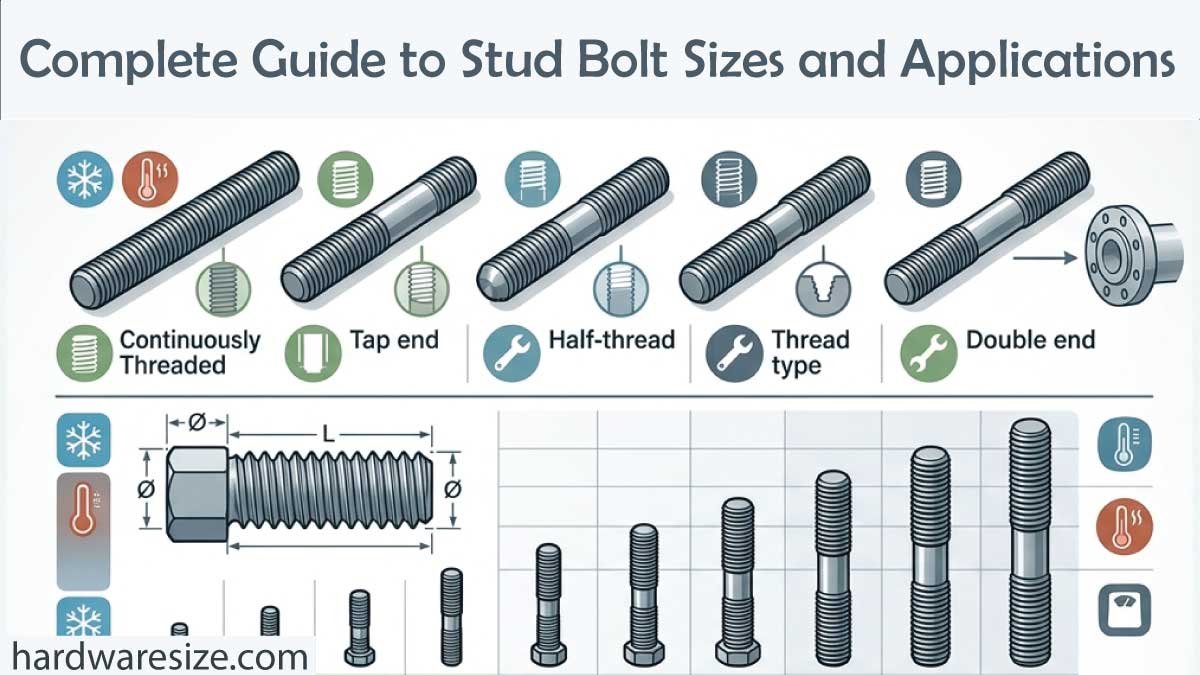
Stud bolts are one of the most essential fasteners in mechanical, construction, and industrial applications. They are versatile, durable, and widely used in projects ranging from home DIY to large engineering structures.
In this guide, you will learn everything about stud bolt sizes, types, and their practical applications, along with useful tables and charts for quick reference.
What Is a Stud Bolt?
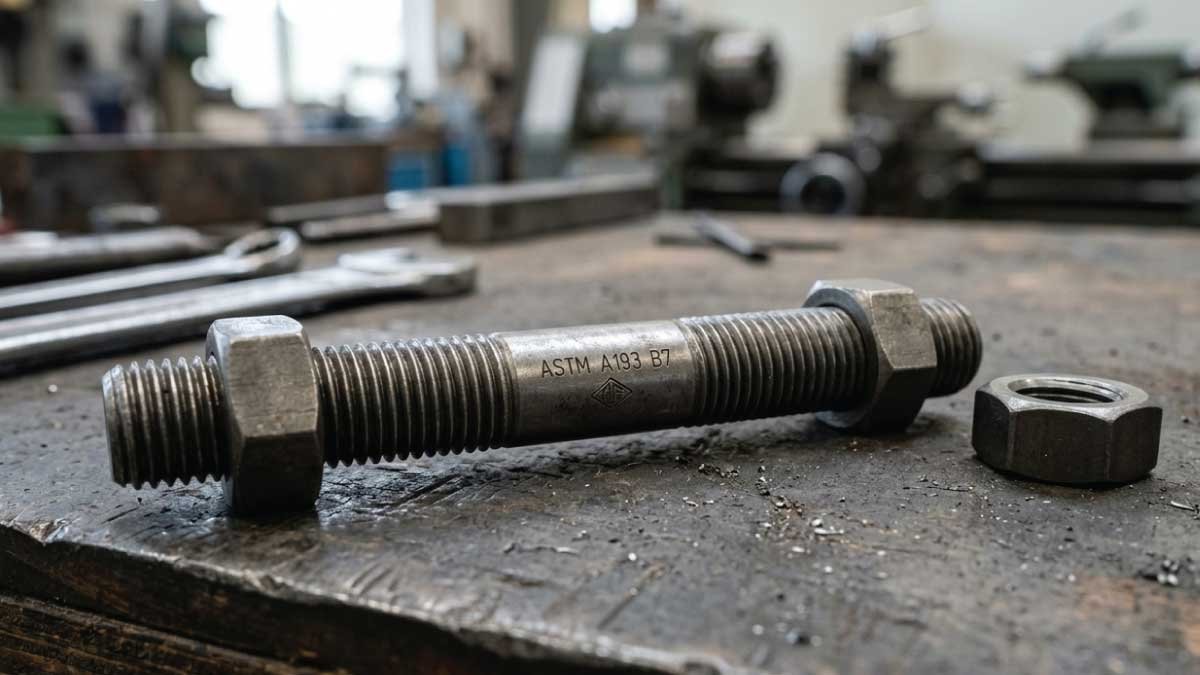
A stud bolt is a threaded rod with threads on both ends. Unlike regular bolts, it does not have a head. Instead, nuts are used on both ends to secure objects together. Stud bolts are widely used in flanged joints, construction, and machinery assembly, offering high strength and precise alignment.
Key features of stud bolts:
- Threaded on both ends
- No bolt head
- Used with nuts for fastening
- Can handle high tension and pressure
Types of Stud Bolts
Stud bolts are available in several types, each designed for specific purposes and applications. Understanding these types is important because the wrong selection can compromise strength, stability, and safety.
The choice depends on factors like threading style, load requirements, material, and the type of joint or assembly. Proper knowledge ensures you select the best stud bolt for your project.
1. Fully Threaded Stud Bolts
Fully threaded stud bolts feature threads along their entire length, providing maximum gripping area for nuts. This design allows for flexibility in adjustable-length applications and ensures strong fastening in flanged connections, machinery assembly, or construction projects. These bolts are ideal when precise positioning or full-thread engagement is required for heavy-duty load-bearing applications.
2. Partially Threaded Stud Bolts
Partially threaded stud bolts, also known as rod studs, have a plain unthreaded section in the middle. This design improves load distribution and strength, making them ideal for industrial flanges, machinery, and structural joints. The smooth middle section helps reduce stress concentration while maintaining secure fastening at both threaded ends, providing stability in high-tension applications.
3. Heavy Hex Stud Bolts
Heavy hex stud bolts are engineered for high-pressure and heavy-load applications. They have thicker threads and a larger hex nut surface area, allowing for stronger clamping and torque resistance. Commonly used in industrial pipelines, pressure vessels, and steel structures, they provide enhanced durability and safety under extreme conditions, making them suitable for demanding engineering projects.
Stud Bolt Sizes
Stud bolt sizes are determined by several factors, including diameter, overall length, thread pitch, and material type. Choosing the correct size is essential to ensure even load distribution, secure fastening, and structural stability. Proper selection prevents bolt failure, joint loosening, and potential safety hazards in both industrial and DIY applications.
Standard Diameter and Length
The most commonly used stud bolt diameters, measured in inches, range from small sizes for light fixtures to larger sizes for heavy machinery and construction, providing versatility for various industrial and DIY applications.
- 1/4″
- 3/8″
- 1/2″
- 5/8″
- 3/4″
- 7/8″
- 1″
Lengths range from 1 inch to over 24 inches, depending on the application.
Thread Pitch
Thread pitch refers to the distance between adjacent threads on a bolt or stud, determining how tightly the nut engages. Standard thread pitches include UNC (Unified Coarse), UNF (Unified Fine), and metric coarse or fine threads. Choosing the correct pitch ensures proper fit, strength, and secure fastening in any application
- UNC (Unified Coarse Thread)
- UNF (Unified Fine Thread)
- Metric Coarse
- Metric Fine
The thread pitch must match the nut or flange used.
Stud Bolt Size Chart
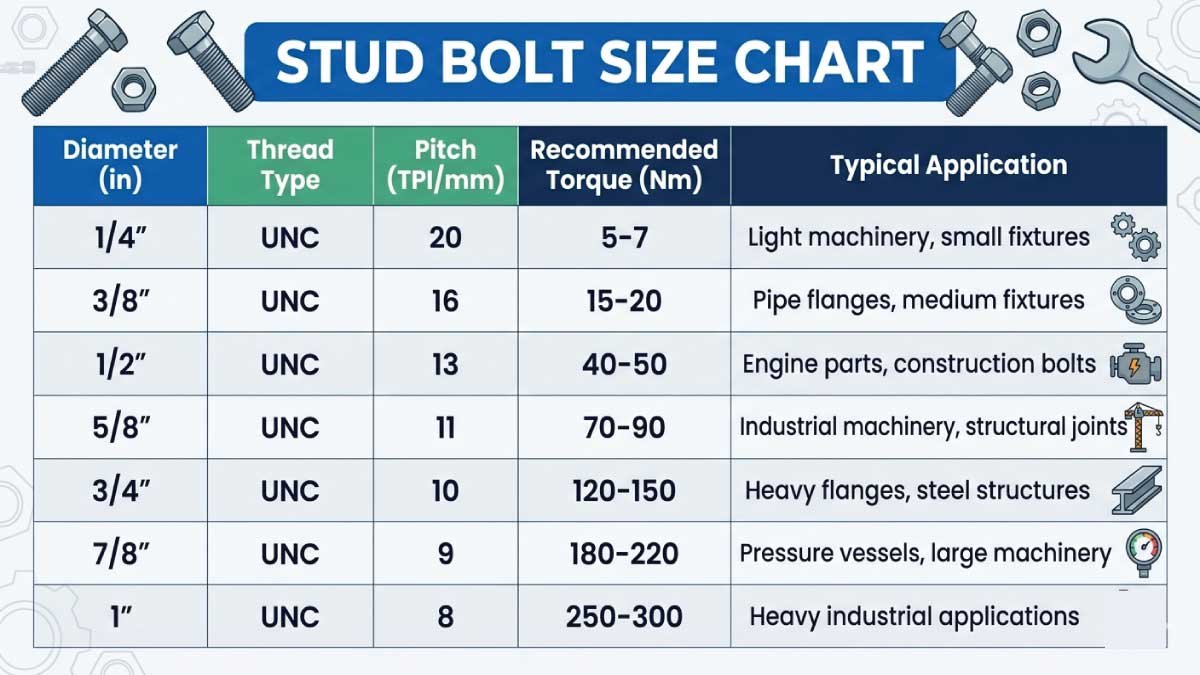
Here is a comprehensive chart of common stud bolt sizes, including diameter, thread pitch, and recommended torque. This will help you quickly select the correct stud bolt for your project.
| Diameter (in) | Thread Type | Pitch (TPI/mm) | Recommended Torque (Nm) | Typical Application |
|---|---|---|---|---|
| 1/4″ | UNC | 20 | 5-7 | Light machinery, small fixtures |
| 3/8″ | UNC | 16 | 15-20 | Pipe flanges, medium fixtures |
| 1/2″ | UNC | 13 | 40-50 | Engine parts, construction bolts |
| 5/8″ | UNC | 11 | 70-90 | Industrial machinery, structural joints |
| 3/4″ | UNC | 10 | 120-150 | Heavy flanges, steel structures |
| 7/8″ | UNC | 9 | 180-220 | Pressure vessels, large machinery |
| 1″ | UNC | 8 | 250-300 | Heavy industrial applications |
Note: Torque values are approximate and depend on material and lubrication.
Also Read: ⚙️ Understand how to select the right Bearing Sizes for Machines to ensure smooth operation, durability, and safety. This guide covers inner diameter, outer diameter, width, and load ratings for various applications. Read the full post to choose bearings accurately and boost machine performance.
Applications of Stud Bolts
Stud bolts have a wide range of applications across industrial, construction, automotive, and home DIY projects. Their ability to provide secure, strong, and precise fastening makes them ideal for tasks that require stability under load, vibration resistance, and long-term durability. Proper use ensures safety and efficiency in any project.
1. Flanged Connections
Stud bolts are commonly used in pipe flanges for oil, gas, water, and chemical pipelines. They provide secure and leak-proof connections that can withstand high pressure and temperature. These bolts are essential for industrial piping systems, ensuring tight joints and reliable performance in critical applications where safety is a top priority.
2. Machinery Assembly
In industrial machinery, stud bolts are essential for assembling engines, pumps, compressors, and gearboxes. They provide precise alignment and consistent clamping force, ensuring smooth operation and reduced wear. Using the correct size and type of stud bolt prevents loosening under vibration and extends the lifespan of the equipment.
3. Structural Steel
Stud bolts are widely used in structural steel construction, including beams, girders, and heavy frameworks. They provide stability and load-bearing strength, helping structures withstand weight, wind, and other forces. Engineers rely on stud bolts for their high tensile strength, durability, and ability to maintain secure connections in demanding construction projects.
4. Automotive Applications
Stud bolts play a critical role in the automotive industry, securing engine parts, wheel hubs, suspension components, and other high-stress areas. They provide strength, precision, and safety, ensuring components remain tightly fastened even under vibration, heat, and high loads. Proper selection prevents mechanical failures and improves vehicle reliability.
5. Home DIY and Furniture
Smaller stud bolts are perfect for home DIY projects, furniture assembly, and minor repairs. They provide strong connections without visible bolt heads, maintaining aesthetics while offering stability. These bolts are versatile for cabinets, tables, shelving, and other household applications, making DIY projects easier, safer, and long-lasting.
How to Select the Right Stud Bolt Size
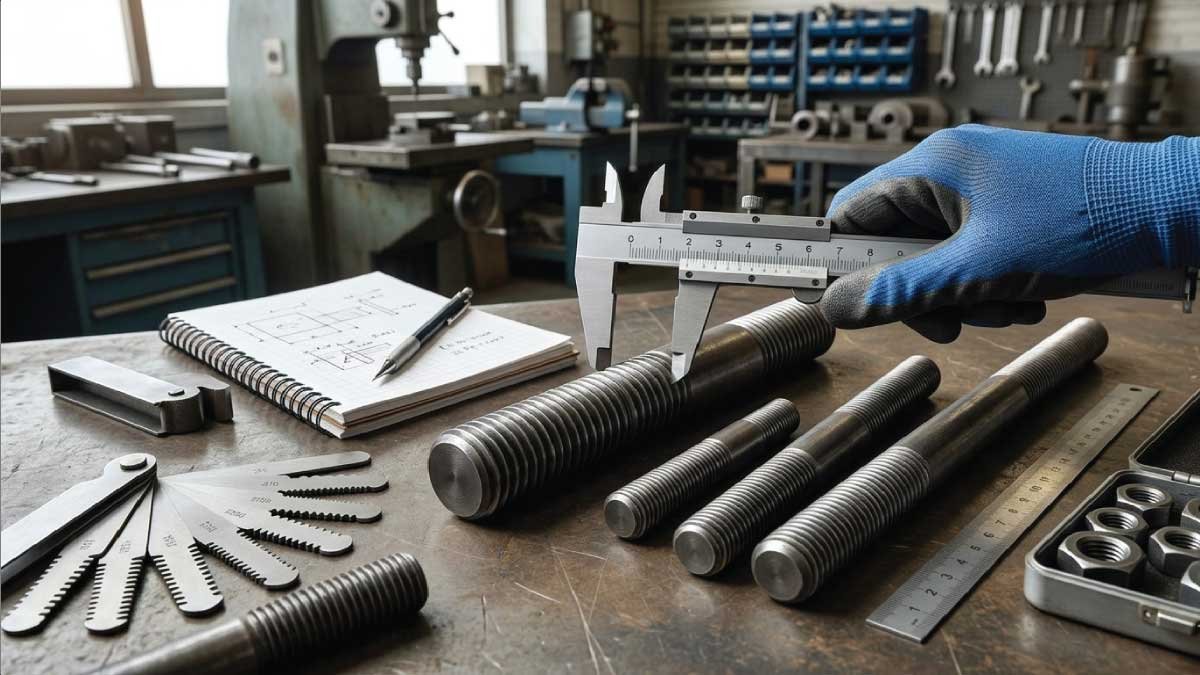
Choosing the correct stud bolt size is crucial for safety, durability, and performance. Incorrect selection can lead to joint failure, loosening, or structural issues. Several factors should be considered, including load, thread type, length, material, and torque requirements. Following a systematic approach ensures a secure and long-lasting fastening solution.
1. Determine Load Requirement
Before selecting a stud bolt, evaluate the weight and stress it will handle. Consider whether it will bear static or dynamic loads, vibration, or thermal expansion. Choosing a bolt rated for the correct load ensures structural integrity and safety, preventing failures in machinery, construction, or pipeline applications.
2. Measure Component Thickness
Measure the total thickness of the materials being joined. The stud bolt must be long enough to accommodate nuts on both ends, leaving adequate thread engagement. Correct length ensures even load distribution, proper tightening, and secure fastening, preventing stripping or loosening over time in high-stress applications.
3. Choose the Correct Thread Type
Select the thread type that matches your nuts or flange requirements. Common options include UNC, UNF, and metric threads. Using the correct thread type ensures proper fit, maximum holding strength, and compatibility. Mismatched threads can cause stripped threads, uneven load, and joint failure.
4. Select the Right Material
Stud bolts come in various materials, including carbon steel, stainless steel, alloy steel, and brass. Material selection depends on environmental conditions, corrosion resistance, and load requirements. For example, stainless steel is ideal for corrosive or outdoor environments, while high-strength alloy steel is preferred for heavy industrial applications.
5. Check Torque Specifications
Proper torque ensures that the stud bolt is neither over-tightened nor under-tightened. Follow recommended torque charts based on diameter, material, and thread pitch. Correct torque maintains joint integrity, prevents loosening, and avoids damage to threads or connected components, ensuring a safe and durable fastening solution.
Stud Bolt Installation Tips
Proper installation of stud bolts is essential for long-term performance, safety, and reliability. Correct techniques prevent joint failure, reduce wear, and ensure secure fastening. Following best practices like using washers, lubrication, even tightening, and regular inspection keeps bolts durable and efficient.
- Use Washers: Prevents damage and distributes load evenly.
- Lubricate Threads: Reduces friction and prevents galling.
- Tighten Nuts Evenly: Apply torque gradually to avoid uneven stress.
- Inspect Regularly: Check for wear, corrosion, or loosening, especially in industrial settings.
Common Mistakes to Avoid
Even small errors during stud bolt selection or installation can cause failure, safety risks, and costly repairs. Understanding and avoiding these common mistakes ensures durable, reliable, and secure fastening in both industrial and DIY projects.
- Using the wrong thread pitch for the nut.
- Choosing a bolt too short or too long.
- Ignoring torque specifications.
- Using low-quality materials in high-stress applications.
- Skipping regular inspection and maintenance.
Advantages of Stud Bolts
Stud bolts offer several advantages that make them essential in industrial, construction, and DIY applications. Their design ensures strength, durability, and reliability under various conditions, providing a safe and efficient fastening solution for projects of all sizes.
1. Can Handle High Tension and Vibration
Stud bolts are specifically designed to withstand high tensile forces and vibrations. This makes them ideal for machinery, engines, pipelines, and structural assemblies where components are under constant stress. Their ability to maintain tight connections under dynamic conditions ensures safety, reliability, and long-term performance.
2. Uniform Load Distribution Along the Joint
Stud bolts provide even load distribution across the entire joint, reducing stress concentration at any single point. This uniformity prevents deformation, loosening, or material failure, ensuring that pipes, flanges, and mechanical assemblies remain stable, secure, and efficient over time.
3. Easy to Replace Without Dismantling the Entire Structure
One of the key benefits of stud bolts is that they can be replaced individually without disassembling the whole assembly. This feature saves time and effort during maintenance, repairs, or upgrades, making them especially useful in industrial plants, machinery, and high-traffic structures.
4. Suitable for High-Pressure and High-Temperature Applications
Stud bolts are widely used in pressure vessels, pipelines, and engines because they can tolerate extreme pressure and temperature conditions. Their high-strength materials and precise manufacturing ensure that they remain secure and functional even in harsh industrial environments.
5. Long-Lasting and Durable
Stud bolts are built for longevity, providing years of reliable performance in both industrial and residential applications. Their resistance to corrosion, wear, and mechanical stress makes them an ideal choice for high-load and high-stress environments, reducing maintenance needs and improving overall structural integrity.
Conclusion
Stud bolts are critical components in hardware, machinery, and construction projects. Understanding sizes, thread types, applications, and proper installation is essential to ensure safety and efficiency. With the help of stud bolt charts and guides, selecting the right stud bolt for your project becomes simple and reliable.
Whether you are a DIY enthusiast, engineer, or contractor, this guide gives you everything needed to choose, install, and maintain stud bolts effectively.
Also Read: 🔩 Learn everything about Sheet Metal Screw Sizes for secure and reliable installations. From small DIY projects to heavy-duty industrial applications, this guide explains diameter, length, thread type, and best uses. Read the full post to select the right screws and ensure strong, long-lasting assemblies.

Engineer Hassan is a Mechanical Engineer with 16+ years of hands-on experience in mechanical hardware, fasteners, and workshop tools. He focuses on size selection, thread identification, and measurement, helping users choose the correct components with accuracy and safety.