
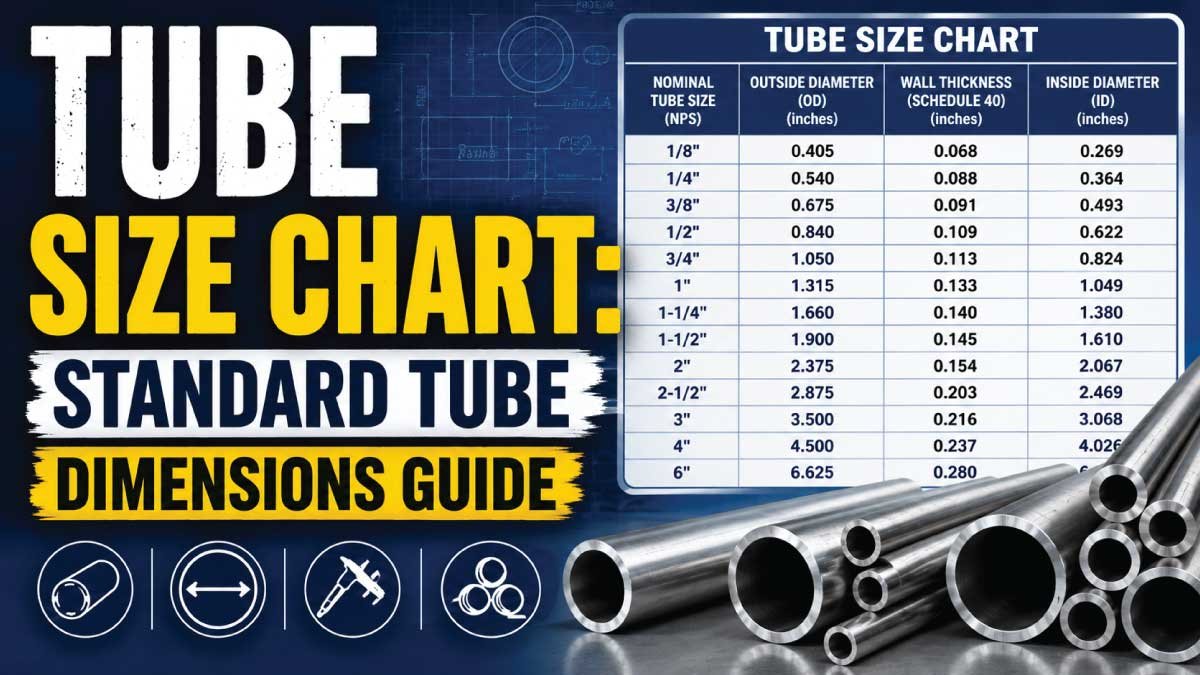
Tubes are widely used in construction, automotive systems, furniture manufacturing, plumbing, aerospace, HVAC, and industrial machinery. Choosing the correct tube size is important because it affects strength, pressure handling, flow capacity, and structural performance.
This complete guide explains tube dimensions, wall thickness, outside diameter, gauge sizes, materials, applications, and standard tube size charts. Whether you are working with steel tubing, aluminum tubing, copper tubing, or stainless steel tubing, this guide will help you understand how tube sizing works.
What Is a Tube?
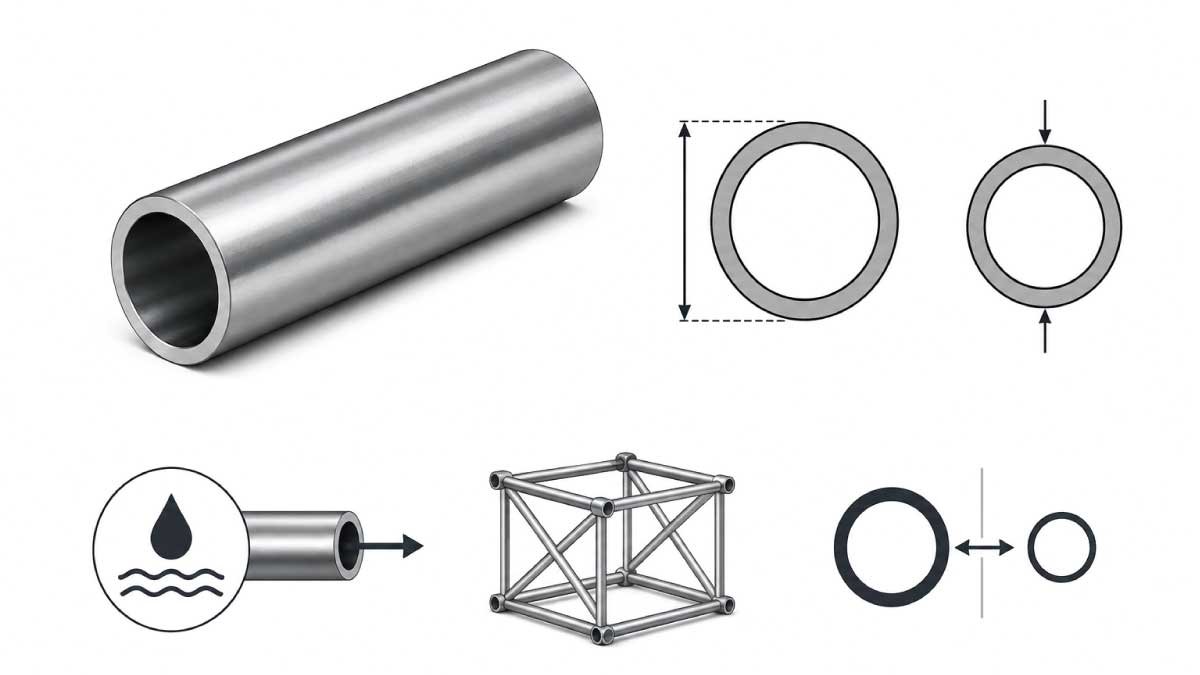
A tube is a hollow cylindrical or rectangular structure used to transport fluids or provide structural support. Unlike pipes, tubes are usually measured by exact outside diameter and wall thickness.
Tubes are available in many shapes, including:
- Round tubes
- Square tubes
- Rectangular tubes
- Oval tubes
They are commonly used in both structural and fluid-handling applications.
Difference Between Pipe and Tube
Many people confuse pipes and tubes, but they are measured differently.
| Feature | Pipe | Tube |
|---|---|---|
| Measurement | Nominal size | Exact dimensions |
| Shape | Mostly round | Multiple shapes |
| Tolerance | Less precise | More precise |
| Applications | Fluid transport | Structural and mechanical |
| Sizing System | NPS and schedule | OD and wall thickness |
Tubes generally require tighter dimensional accuracy than pipes.
Understand The Tube Measurements
Before selecting tubing for any mechanical, structural, or fluid system, it is important to understand key measurement terms. These dimensions determine strength, flow capacity, and compatibility with fittings or equipment. Proper knowledge ensures accurate selection and reliable performance in different applications.
1. Outside Diameter (OD)
Outside diameter refers to the total external width of the tube, measured from one outer edge to the opposite outer edge. It is one of the most important dimensions because it determines how the tube fits into connectors, clamps, and other assemblies.
Example:
A tube labeled 1 inch OD measures exactly 1 inch outside diameter.
2. Inside Diameter (ID)
Inside diameter is the measurement of the hollow internal space of the tube. It is especially important in applications involving fluid or air flow, as it directly affects how much material can pass through the tube efficiently.
Formula:
Inside Diameter = OD − (2 × Wall Thickness)
3. Wall Thickness
Wall thickness refers to the distance between the outer and inner walls of the tube. It plays a key role in determining strength, durability, and pressure-handling capacity. Thicker walls provide greater strength but reduce internal flow space.
4. Gauge Size
Some tubing systems use gauge numbers instead of direct wall thickness measurements. Gauge sizing helps standardize thickness across different materials and industries. It is important to understand that gauge works inversely—lower numbers mean thicker walls.
Example:
16 gauge is thicker than 20 gauge.
Standard Round Tube Size Chart
Below is a common steel round tube size chart.
| Outside Diameter | Wall Thickness | Inside Diameter |
|---|---|---|
| 1/4 inch | 0.035 inch | 0.180 inch |
| 3/8 inch | 0.049 inch | 0.277 inch |
| 1/2 inch | 0.065 inch | 0.370 inch |
| 3/4 inch | 0.065 inch | 0.620 inch |
| 1 inch | 0.083 inch | 0.834 inch |
| 1-1/4 inch | 0.095 inch | 1.060 inch |
| 1-1/2 inch | 0.120 inch | 1.260 inch |
| 2 inch | 0.120 inch | 1.760 inch |
| 3 inch | 0.188 inch | 2.624 inch |
| 4 inch | 0.250 inch | 3.500 inch |
Square Tube Size Chart
Square tubing is widely used in construction and fabrication.
| Square Tube Size | Wall Thickness | Common Uses |
|---|---|---|
| 1/2 × 1/2 inch | 0.065 inch | Furniture frames |
| 1 × 1 inch | 0.083 inch | Light structures |
| 1-1/2 × 1-1/2 inch | 0.120 inch | Gates and railings |
| 2 × 2 inch | 0.120 inch | Structural frames |
| 3 × 3 inch | 0.188 inch | Heavy fabrication |
| 4 × 4 inch | 0.250 inch | Industrial structures |
Rectangular Tube Size Chart
Rectangular tubing offers excellent structural strength.
| Tube Size | Wall Thickness | Applications |
|---|---|---|
| 1 × 2 inch | 0.083 inch | Furniture and supports |
| 2 × 3 inch | 0.120 inch | Vehicle frames |
| 2 × 4 inch | 0.188 inch | Construction |
| 3 × 5 inch | 0.250 inch | Heavy structures |
| 4 × 6 inch | 0.250 inch | Industrial fabrication |
Metric Tube Size Chart
Metric tubing is commonly used internationally.
| Metric OD | Wall Thickness | Typical Uses |
|---|---|---|
| 6 mm | 1 mm | Small instruments |
| 8 mm | 1 mm | Pneumatic systems |
| 10 mm | 1.5 mm | Hydraulic systems |
| 12 mm | 1.5 mm | Automotive tubing |
| 16 mm | 2 mm | Industrial machinery |
| 20 mm | 2 mm | Structural fabrication |
| 25 mm | 2.5 mm | Construction |
| 32 mm | 3 mm | Heavy-duty structures |
Standard Round Tube Size Chart PDF
A standard round tube size chart PDF is a practical reference for engineers, fabricators, and construction professionals to quickly find tube dimensions. It includes outside diameter, wall thickness, and standard lengths in both metric and imperial units. This chart helps ensure accurate selection for structural, mechanical, and industrial applications, improving design accuracy and material compatibility.
Common Tube Materials
Tube material selection depends on factors such as strength, corrosion resistance, weight, cost, and the specific application. Each material offers unique properties that make it suitable for different industrial, structural, and fluid transport systems. Choosing the right material ensures durability, safety, and long-term performance.
1. Steel Tubing
Steel tubing is one of the most commonly used materials due to its high strength and durability. It performs well under heavy loads and is widely used in structural and mechanical applications where reliability is essential.
Advantages:
- High strength
- Durability
- Affordable cost
Applications:
- Construction
- Machinery
- Automotive systems
- Structural frames
2. Stainless Steel Tubing
Stainless steel tubing is known for its excellent resistance to rust and corrosion. It is widely used in environments where hygiene, moisture resistance, or chemical exposure is a concern, ensuring long-lasting performance and clean operation.
Common uses:
- Food processing
- Medical equipment
- Marine applications
- Chemical plants
Benefits:
- Rust resistance
- Long lifespan
- Attractive appearance
3. Aluminum Tubing
Aluminum tubing is lightweight and offers good corrosion resistance, making it ideal for applications where weight reduction is important. It is easy to shape and fabricate, making it popular in transportation and consumer products.
Applications include:
- Aerospace
- Automotive racing
- Furniture
- Bicycle frames
Advantages:
- Lightweight
- Easy fabrication
- Good corrosion resistance
4. Copper Tubing
Copper tubing is widely used in plumbing and refrigeration systems due to its excellent thermal conductivity. It is easy to work with and provides reliable performance in fluid and heat transfer applications.
Benefits:
- Excellent heat transfer
- Corrosion resistance
- Easy soldering
Common uses:
- HVAC systems
- Water supply
- Refrigeration lines
5. Brass Tubing
Brass tubing offers a combination of corrosion resistance and aesthetic appeal. It is often used in decorative and functional applications where appearance and durability are both important.
Applications:
- Decorative fixtures
- Musical instruments
- Plumbing fittings
Explore More Posts:
How to Measure Tube Size
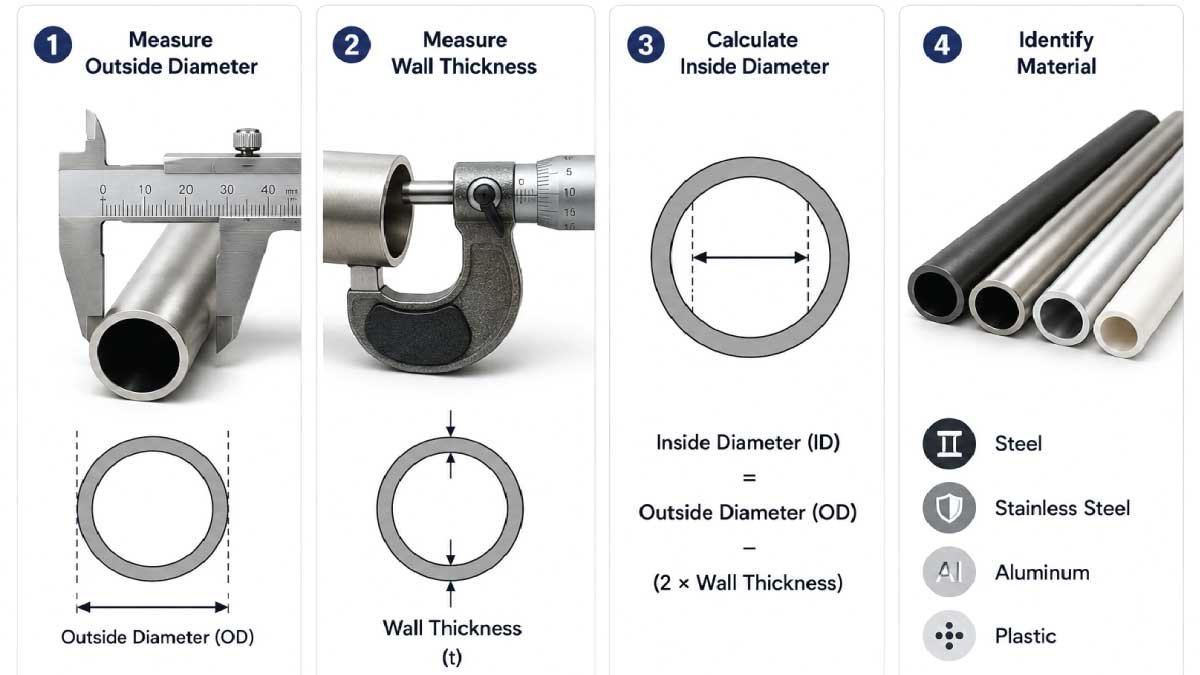
Correct tube size measurement is essential for ensuring proper fitting, structural strength, and performance in mechanical and construction applications. Accurate dimensions help avoid leakage, misalignment, and installation problems. Proper measurement also ensures compatibility with connectors, fittings, and system requirements in plumbing, automotive, and industrial tubing systems.
Step 1: Measure Outside Diameter
Measure the outside diameter (OD) of the tube using a precise caliper. Place the tool across the widest outer points to get an accurate reading. This measurement is important because it determines how the tube fits into connectors or systems. Even small errors can lead to improper fitting or system failure.
Step 2: Measure Wall Thickness
Use a micrometer to measure the wall thickness of the tube accurately. This is done by measuring from the outer surface to the inner surface. Wall thickness is important because it affects the tube’s strength, pressure resistance, and durability. Thicker walls generally provide higher strength for heavy-duty applications.
Step 3: Calculate Inside Diameter
The inside diameter (ID) is calculated using a simple formula:
Inside Diameter = Outside Diameter − (2 × Wall Thickness)
This calculation helps determine the internal flow space of the tube. It is important for applications involving fluid or gas flow, where internal capacity directly impacts performance and efficiency.
Step 4: Identify Material
Identifying the tube material is crucial because it affects strength, weight, corrosion resistance, and temperature tolerance. Common materials include steel, stainless steel, aluminum, and plastic. Each material is chosen based on application needs such as durability, environmental exposure, and load-bearing requirements in industrial or mechanical systems.
Tube Size Tolerances
Tube size tolerances refer to the allowable variation in tube dimensions during manufacturing. No tube is produced with 100% exact measurements, so small variations are acceptable within defined limits. Tight tolerances are especially important in precision industries where even minor deviations can affect performance, safety, and assembly accuracy.
Precision applications require tight tolerances.
Industries needing precise tubing include:
- Aerospace
- Medical manufacturing
- Automotive systems
- Hydraulic systems
Tube Finishes and Coatings
Tube finishes and coatings are applied to improve appearance, corrosion resistance, and durability. These surface treatments protect tubes from environmental damage and enhance their performance in harsh conditions. Different coatings are used depending on the application and required protection level.
Common finishes include:
- Galvanized coating
- Powder coating
- Polished finish
- Anodized finish
These coatings improve durability and corrosion resistance.
Explore More Posts:
Tube Strength Factors
Tube strength depends on multiple design and material factors. Understanding these factors helps in selecting the right tube for structural or fluid-based applications where safety and load capacity are important.
1. Material Type
Material selection plays a major role in strength. Steel is stronger than aluminum, but aluminum is lighter, making each suitable for different applications depending on weight and load requirements.
2. Wall Thickness
Wall thickness directly affects strength and pressure resistance. Thicker walls can handle higher loads and pressure, while thinner walls are suitable for lighter applications.
3. Tube Shape
Tube shape influences how force is distributed. Square and rectangular tubes generally resist bending better than round tubes, making them ideal for structural frameworks.
4. Heat Treatment
Heat treatment improves hardness and durability by changing the internal structure of the material. Treated tubes can handle higher stress and last longer in demanding environments.
Common Tube Sizing Mistakes
Incorrect tube selection can lead to serious safety risks, poor performance, and early system failure. Many issues happen because of wrong measurements, poor material choice, or misunderstanding application requirements. Avoiding these mistakes helps ensure reliability, efficiency, and long-term durability in mechanical, plumbing, and industrial systems.
1. Choosing Thin Walls for Heavy Loads
One common mistake is selecting tubes with thin walls for high-load applications. Thin-wall tubing may bend, crack, or completely fail when exposed to heavy stress or pressure. For structural or industrial use, thicker walls should always be chosen to ensure strength, stability, and safe long-term performance under load.
2. Ignoring Corrosion Resistance
Another major mistake is using materials that are not suitable for the environment. For example, plain steel in wet or chemical environments can quickly rust and weaken. Choosing corrosion-resistant materials like stainless steel or coated tubing helps improve durability and prevents premature failure caused by moisture or chemical exposure.
3. Using Incorrect Dimensions
Even small errors in tube measurements can cause serious fitting and assembly issues. Incorrect outside diameter, wall thickness, or inside diameter can lead to leaks, poor alignment, or system malfunction. Accurate measurement is essential to ensure proper compatibility with connectors, fittings, and mechanical systems for safe operation.
4. Mixing Metric and Imperial Sizes
Mixing metric and imperial tubing systems is a frequent mistake that leads to poor fitting compatibility. These systems are not always interchangeable, and even slight differences can cause installation problems. Always confirm whether the application requires metric or inch-based sizing to avoid mismatches and ensure proper system integration.
Advantages of Proper Tube Sizing
Correct tube sizing plays a key role in ensuring efficiency, safety, and durability across all applications. When tubes are properly selected, systems perform better, last longer, and require less maintenance over time.
1. Improved Structural Strength
Proper tube sizing ensures the system can handle expected loads without bending or deformation. Choosing the right diameter and wall thickness increases stability and safety, especially in construction and industrial applications where strength and reliability are critical for long-term performance.
2. Better Flow Capacity
Correct inside diameter directly improves fluid or gas flow efficiency. When tubing is properly sized, it reduces resistance and pressure loss, allowing smoother and faster movement of materials. This is especially important in plumbing, hydraulic, and pneumatic systems where consistent flow is essential.
3. Longer Service Life
Using the correct material and wall thickness significantly extends the lifespan of tubing systems. Proper sizing reduces stress, wear, and corrosion risk, helping the system perform reliably for many years. This lowers replacement frequency and improves overall cost efficiency in long-term operations.
4. Reduced Maintenance
Well-sized tubes require less frequent repairs and maintenance. Since they are less prone to damage, leaks, or deformation, maintenance costs and downtime are reduced. This improves system reliability and ensures smoother operation in industrial, automotive, and mechanical environments.
Explore More Posts:
Tube Maintenance Tips
Proper maintenance is essential for extending the life and performance of tubing systems. Regular care helps prevent damage, improves efficiency, and reduces unexpected failures in both industrial and domestic applications.
1. Inspect Regularly
Regular inspections help identify early signs of damage before they become serious problems. Always check for cracks, corrosion, dents, and leaks. Early detection allows timely repair or replacement, preventing system failure and ensuring safe and reliable operation in the long run.
2. Keep Tubes Clean
Dirt, dust, and debris can block flow and reduce efficiency inside the tube. Keeping tubes clean helps maintain smooth operation and prevents buildup that could cause clogging or corrosion. Regular cleaning is especially important in fluid transport and industrial systems.
3. Prevent Rust
Rust is one of the biggest threats to tube durability. Applying protective coatings or using corrosion-resistant materials helps prevent rust formation. This is especially important in humid or outdoor environments where exposure to moisture is high and metal degradation can occur quickly.
4. Avoid Overloading
Excess pressure, weight, or stress can damage tubing and lead to failure. Always ensure tubes are used within their designed limits. Overloading can cause bending, cracking, or bursting, which may result in system breakdown and safety hazards in mechanical or industrial applications.
Conclusion
Understanding tube sizes is essential for construction, plumbing, automotive systems, manufacturing, and industrial applications. Choosing the correct outside diameter, wall thickness, and material improves safety, strength, efficiency, and durability.
Whether you are selecting round tubing, square tubing, or rectangular tubing, using a reliable tube size chart helps prevent costly mistakes and ensures proper performance. Proper tube sizing also improves structural stability, flow efficiency, and long-term reliability in both residential and industrial projects.
FAQs:
What is the difference between tube size and pipe size?
Tube size and pipe size are not the same. Tube sizing is based on exact measurements like outside diameter (OD) and wall thickness, giving precise dimensions. Pipe sizing uses a nominal system where the stated size does not always match the actual inner or outer diameter, especially in industrial plumbing systems.
How is tubing measured?
Tubing is typically measured using three key dimensions: outside diameter, wall thickness, and sometimes inside diameter. The outside diameter is the most important reference point for tubing. Accurate measurement ensures proper fitting, correct flow capacity, and compatibility with connectors in mechanical, hydraulic, and structural applications.
Which tubing material is strongest?
Steel tubing is considered one of the strongest and most widely used materials due to its high tensile strength and durability. It performs well under heavy loads and pressure. In demanding industrial or structural applications, steel tubing is preferred because it provides excellent rigidity, stability, and long-term performance.
What does tube gauge mean?
Tube gauge refers to the wall thickness of the tubing. It is an important measurement that indicates how thick or thin the tube walls are. Lower gauge numbers represent thicker walls, which provide higher strength and durability, while higher gauge numbers indicate thinner walls suitable for lighter applications.
What tubing is best for corrosion resistance?
Stainless steel and aluminum tubing are the best choices for corrosion resistance. Stainless steel offers excellent protection against rust, moisture, and chemicals, making it ideal for harsh environments. Aluminum is lightweight and naturally corrosion-resistant, making it suitable for applications where both durability and reduced weight are important.

Engineer Hassan is a Mechanical Engineer with 16+ years of hands-on experience in mechanical hardware, fasteners, and workshop tools. He focuses on size selection, thread identification, and measurement, helping users choose the correct components with accuracy and safety.